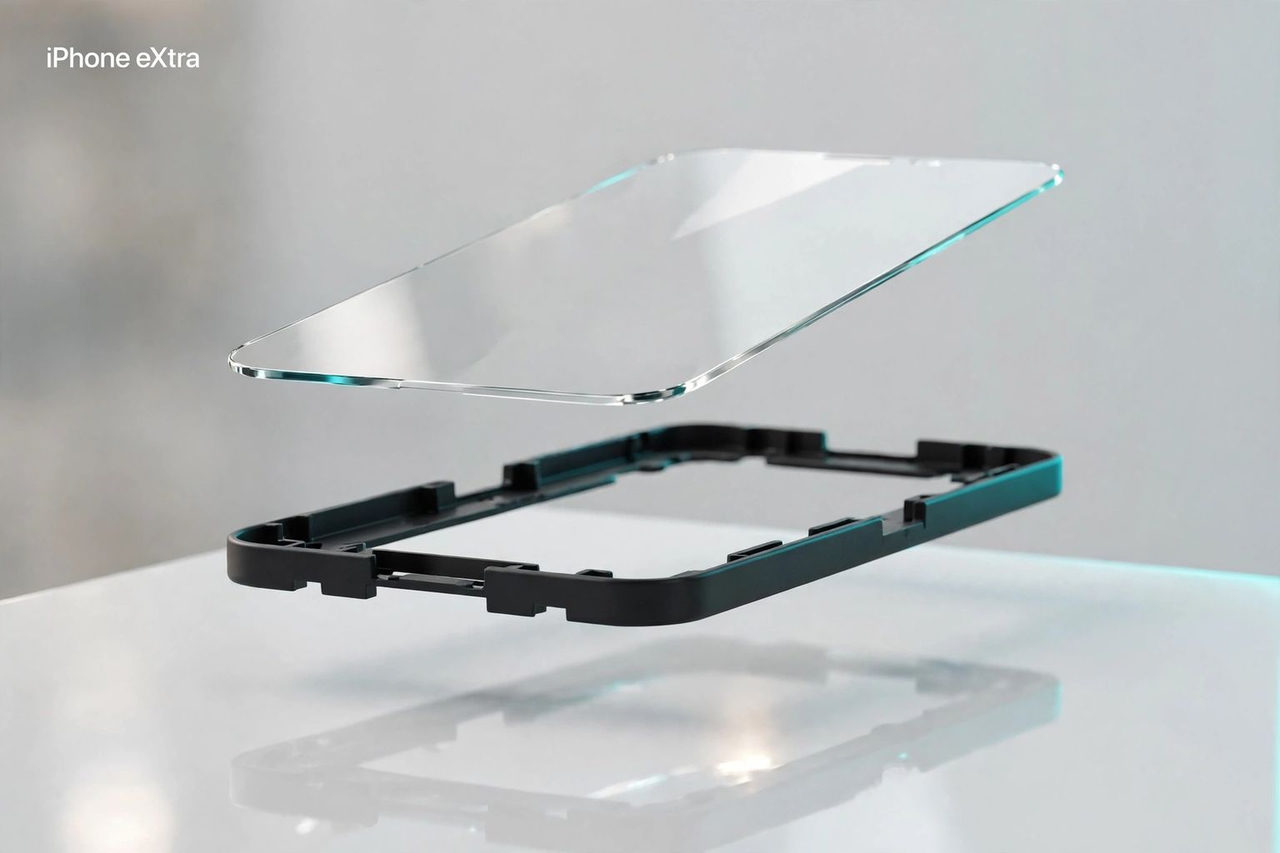
Spigen GLAS.tR EZ Fit and UNBREAKcable offer model-specific tempered-glass protectors for iPhone 17 Pro. Their installation aids are useful features to compare, but we have not measured their protection or established a universal winner.
Spigen GLAS.tR EZ Fit
Spigen’s product documentation describes tempered glass, an oleophobic coating and an EZ Fit installation tray. Select the 17 Pro option rather than assuming the Pro Max variant fits. Follow the linked installation instructions for the particular kit.
The earlier article treated 10H+ as a proven advantage over every 9H product and asserted that the second sheet could not reuse the tray. Those claims were not established for the exact supplied kit and have been removed. Hardness branding alone does not demonstrate comparative drop protection.
Search Amazon for Spigen GLAS tR EZ Fit iPhone 17 Pro screen protector
UNBREAKcable
The maker’s 17 Pro listing offers several pack sizes and describes an installation frame, cleaning supplies and tempered glass. Its scratch, clarity and drop statements are manufacturer claims. We have not reproduced them or established that it performs the same as Spigen.
Compare the actual pack size, included tools, total price and return conditions. A brand name or a marketplace search result is not enough to identify the variant.
Search Amazon for UNBREAKcable iPhone 17 Pro screen protector
Installing without unsupported promises
Prepare a clean, well-lit surface, remove the old protector and follow the kit’s cleaning, dust-removal and alignment sequence. Different trays work differently; do not assume one universal peel-and-place order. Check edge fit with your case before treating the installation as finished.
If touch input or Face ID stops working correctly, inspect the installation and follow the device and protector makers’ troubleshooting. Our earlier statement that no protector can block any function was too broad.
What protection means
A protector is an optional sacrificial surface, not a guarantee against a broken screen. A scratch-hardness label and a drop claim describe different things. Neither eliminates the importance of fit or establishes performance in every impact.
Front glass also does not increase the phone’s charging rate. For power compatibility, see the MagSafe and Qi2 guide; for the case around the phone, see our OtterBox assessment.
Related Articles
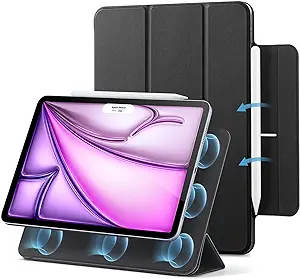
iPad Air Cases: Model Fit, Pencil Storage and Protection
Choose an iPad Air case by exact model, stand design and Apple Pencil compatibility. Check connector access, fit and charging before buying.
Read Now
iPhone 17 Pro Max: Confirmed Specs and Upgrade Considerations
Explore iPhone 17 Pro Max camera, storage and charging specifications, including weight, physical lens options and optical-quality zoom.
Read Now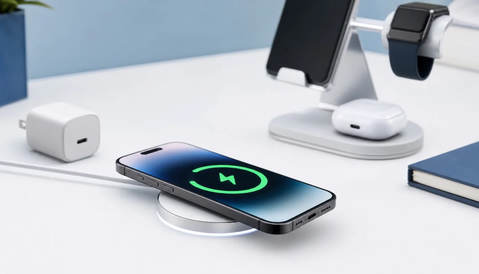
MagSafe Chargers for iPhone 17 and Air: 25W and 20W Limits
Check Apple’s model-specific wireless limits, charger versions and adapter requirements before choosing a puck, stand or travel charger.
Read Now
30W and 35W iPhone Chargers: Anker, Apple and Belkin
Compare Anker, Apple and Belkin 30W and 35W adapters, shared-port power, and the higher charging requirements of iPhone 17 Pro and 18 Pro.
Read Now
iPhone 17 Pro vs 16 Pro: Should You Upgrade in 2026?
Compare the actual camera, build and battery specifications of iPhone 17 Pro and 16 Pro. Camera Control is on both; decide by the differences you need.
Read Now
MagSafe Power Banks for iPhone: Qi2 Options and Compatibility
Compare documented magnetic power-bank options, exact iPhone support and capacity limits without guaranteed charging speeds or invented rankings.
Read Now